Card games have been a source of entertainment, competition, and social interaction for centuries. From casual family games to professional tournaments, card games appeal to players of all ages and skill levels. These games combine strategy, luck, and psychology, making them endlessly engaging and versatile. Whether played with a traditional deck of cards, specialized card sets, or online platforms, card games offer a rich and dynamic gaming experience.
The History of Card Games
The origin of card games can be traced back to ancient China, where the first paper cards appeared during the Tang dynasty around the 9th century. The concept gradually spread to Europe in the 14th century, evolving into the familiar playing cards we know today. Over time, countless variations of card games emerged, influenced by cultural, social, and technological developments. Today, card games are played globally, both physically and digitally, with professional leagues and online communities dedicated to them.
Types of Card Games
Card games are diverse, ranging from simple luck-based games to highly strategic competitions. Understanding the main categories can help players choose the type that suits their preferences.
1. Trick-Taking Games
Trick-taking games involve players trying to win “tricks” or rounds by playing the highest card according to specific rules. Examples include Bridge, Spades, and Hearts. These games require strategy, teamwork, and careful planning.
2. Matching Games
Matching games involve collecting sets or pairs of cards. Popular examples include Rummy, Go Fish, and Mahjong (card-based variants). Success depends on observation, memory, and strategy.
3. Shedding Games
In shedding games, players aim to discard all their cards before opponents. Uno and Crazy Eights are prime examples. These games combine luck with tactical decision-making and timing.
4. Casino and Gambling Card Games
These games are commonly associated with casinos and gambling, including Poker, Blackjack, Baccarat, and Baccarat variations. They involve a combination of probability, psychology, and strategy.
5. Collectible and Trading Card Games
Modern card games often feature collectible or trading elements, such as Magic: The Gathering, Pokémon TCG, and Yu-Gi-Oh!. These games require deck-building, strategic play, and understanding complex game mechanics.
Basic Rules of Card Games
While card games vary widely, most follow common principles:
Deck Composition
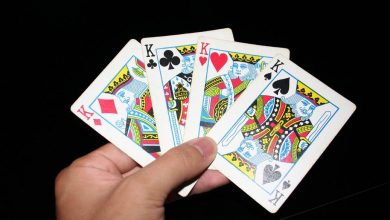
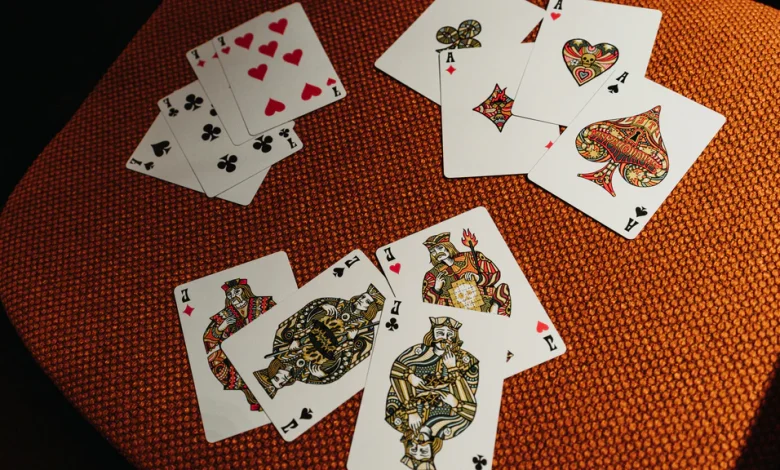
A standard deck has 52 cards divided into four suits (hearts, diamonds, clubs, spades) with 13 ranks each. Some games use additional Jokers, multiple decks, or specially designed cards.
Objective
The objective depends on the game type: winning tricks, collecting sets, discarding all cards, or achieving a specific combination.
Turn Structure
Players take turns performing actions, such as drawing, playing, or discarding cards, following game-specific rules.
Winning Criteria
Victory may be determined by points, rounds won, or the completion of objectives unique to each game.
Strategies to Excel in Card Games
While luck often plays a role, skill and strategy significantly influence outcomes.
Observation and Memory
Tracking which cards have been played and predicting opponents’ moves provides a competitive edge, especially in trick-taking and matching games.
Probability and Odds
Understanding probabilities helps players make informed decisions, such as whether to draw a card, fold, or take risks. Casino games and collectible card games heavily rely on probabilistic reasoning.
Deck Management
In games involving multiple rounds or collectible cards, organizing and optimizing your deck ensures consistency and maximizes chances of success.
Bluffing and Psychology
Games like Poker emphasize bluffing, reading opponents, and strategic deception, adding a psychological dimension to gameplay.
The Rise of Online Card Games
Digital platforms have transformed card games, offering convenience, variety, and new gameplay mechanics:
Accessibility
Players can enjoy card games on smartphones, tablets, and computers, connecting with opponents worldwide.
Variety
Online platforms host multiple versions, rule variants, and exclusive games that may not be available in traditional settings.
Social Interaction
Many online card games include chat features, communities, and multiplayer modes, enhancing engagement.
Tournaments and Competitions
Online platforms host tournaments with cash prizes, leaderboards, and rankings, appealing to competitive players.
Popular Card Game Examples
Poker
One of the most famous gambling card games, Poker combines skill, strategy, and psychology. Variants like Texas Hold’em, Omaha, and Seven-Card Stud are widely played.
Blackjack
Also known as 21, Blackjack is a casino favorite where players aim to beat the dealer without exceeding a hand value of 21.
Rummy
A matching game where players form sets or sequences. Rummy has numerous variants globally, including Indian Rummy and Gin Rummy.
Uno
A shedding game where players aim to discard all their cards by matching colors or numbers. It includes action cards like Skip, Reverse, and Draw Two for strategic play.
Magic: The Gathering
A collectible card game emphasizing deck-building, strategic gameplay, and competitive tournaments. Players cast spells, summon creatures, and compete to reduce their opponent’s life points to zero.
Benefits of Playing Card Games
Card games are not only entertaining but also offer mental and social benefits:
- Cognitive Development: Enhances memory, focus, and problem-solving skills.
- Strategic Thinking: Promotes planning, probability assessment, and decision-making.
- Social Engagement: Encourages interaction, teamwork, and friendly competition.
- Stress Relief: Provides entertainment and relaxation through gameplay.
Responsible Card Game Practices
To ensure a safe and enjoyable experience:
- Set Time Limits: Avoid excessive gaming sessions.
- Manage Finances: In gambling or betting card games, set budgets and adhere to them.
- Play Fair: Follow rules and maintain sportsmanship.
- Balance Gaming: Incorporate card games as a leisure activity without compromising daily responsibilities.
FAQ Section
1. What is the best way to start learning card games?
Begin with simple games like Uno, Go Fish, or Rummy to understand mechanics before moving to complex or strategic games.
2. Are card games suitable for all ages?
Yes, most card games have age-appropriate versions. Simple games are suitable for children, while strategic and collectible card games appeal to teens and adults.
3. How can players improve their chances in card games?
Focus on memory, observation, strategy, and understanding game rules. Practicing regularly and analyzing past games enhances skills.
4. What is the difference between traditional and online card games?
Traditional card games are played physically with friends or in tournaments. Online card games offer convenience, global competition, and digital features.
5. Can card games help improve cognitive skills?
Yes, they enhance memory, attention, problem-solving, and strategic thinking. Competitive games further challenge analytical skills.
6. What are the most popular collectible card games today?
Magic: The Gathering, Pokémon TCG, and Yu-Gi-Oh! remain some of the most popular collectible card games worldwide.
7. Are there risks associated with gambling card games?
Yes, gambling card games involve financial risk. Responsible play, budgeting, and choosing licensed platforms help mitigate potential issues.