What changes in bet limits?
Bet limits change first and most visibly, rising from everyday ranges into figures many times larger. Standard live tables often cap a straight number at modest amounts, while high roller rooms lift every cap across the layout. High-limit tables crown the best bitcoin roulette menus, listed separately so larger budgets find them instantly. Minimum stakes rise as well, which keeps the room focused on players who genuinely want bigger rounds. A bettor placing outside wagers can commit substantial amounts on a single colour, and inside limits scale to match. Table information panels print the full range before anyone joins, so the money frame is clear at first glance. Payout structures stay untouched, since 35 to 1 on a straight number holds at every stake level. Only the size of each figure grows, and account balances therefore move in larger visible steps each round. Everything else about the game’s mathematics remains exactly the standard wheel.
Changes in dealer service
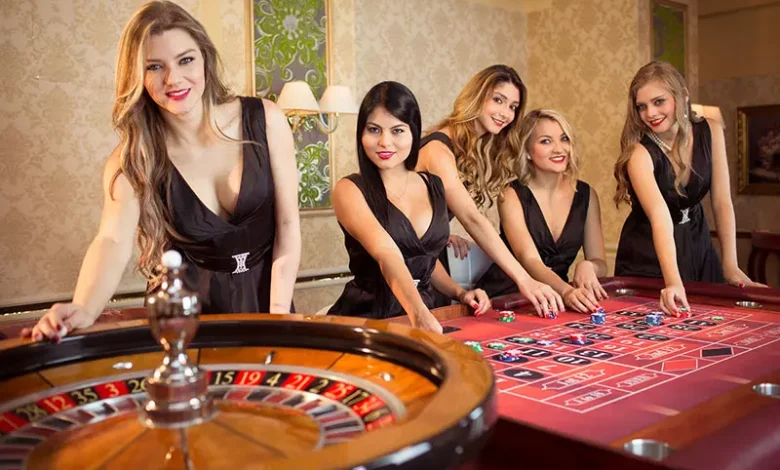
Dealer service changes toward slower, more personal hosting once the stakes rise. Studios assign their most seasoned presenters to high-limit rooms, chosen for calm pacing and confident table control. Greetings, use player names more often, since these rooms seat fewer participants, and the dealer can follow each one. Conversation runs quieter and more attentively, with dealers acknowledging bets and results individually rather than addressing a crowd. Some casinos add a dedicated host who handles requests besides the dealer, from table questions to account matters. Service in these rooms resembles a private salon more than a busy floor, and regular visitors often return for the hosting as much as the limits.
What changes in table pace?
Table pace changes to give large decisions breathing room. Betting windows run several seconds longer than standard rooms allow, since a player spreading serious amounts across the layout needs time to place every chip deliberately. Rounds per hour drop slightly as a result, trading speed for composure. Fewer seats also mean less waiting on other players, so the slower clock never feels crowded. Camera work follows the calmer rhythm, holding steady wide views instead of rapid cuts. Players describe the pace as unhurried rather than slow, and the format suits careful spreads far better than quick single chips. Longer windows also reduce misplaced bets, which matters when each chip carries real weight.
Shifts in player privacy
Privacy changes because larger players prefer quieter rooms. High limit tables seat a small circle, keeping bet activity visible to fewer eyes. Chat often stays limited to the seated group, and some rooms turn off public spectating entirely. Screen names still shield real identities, as at every table, yet the reduced audience adds another layer of distance. Certain casinos run invitation-only entry for their top rooms, opening seats only to established accounts. Quiet surroundings, small circles, and controlled entry together create the discretion that big sessions usually want.
High roller rooms change the frame around the wheel, not the wheel itself. Limits stretch, service turns personal, pace relaxes, and privacy tightens, while every payout ratio stays standard. Players stepping up find a calmer, roomier version of exactly the game they already know.