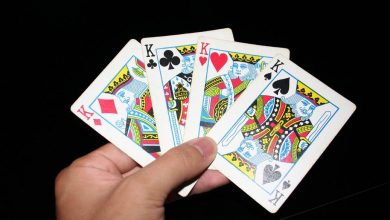
Card games have been a source of entertainment, strategy, and social interaction for centuries. From casual family gatherings to professional tournaments, card games offer a unique blend of skill, luck, and strategy that appeals to players of all ages. Whether played with a traditional deck, a specialized set, or through online platforms, card games are versatile, engaging, and continuously evolving. The popularity of card games stems not only from their entertainment value but also from their ability to stimulate the mind, develop critical thinking, and foster social connections.
History of Card Games
The origins of card games trace back to ancient China, where paper cards were first introduced during the Tang dynasty in the 9th century. Card games spread to Europe in the 14th century and gradually evolved into the standard 52-card deck commonly used today. Over centuries, countless variations and regional adaptations emerged, influenced by culture, social norms, and technological advancements. From Bridge in Europe to Rummy in India, card games have played a significant role in entertainment, education, and socialization worldwide.
Types of Card Games
Card games are diverse, and understanding their main categories helps players choose the right game based on skill level, strategy preference, and social interaction.
Trick-Taking Games
Trick-taking games are structured around winning rounds, known as tricks, by playing the highest card according to specific rules. Popular trick-taking games include Bridge, Spades, and Hearts. These games emphasize teamwork, memory, and strategic thinking, as players must anticipate opponents’ moves and coordinate with partners.
Matching Games
Matching games involve forming sets or pairs from a collection of cards. Examples include Rummy, Go Fish, and Mahjong card variants. These games rely on observation, memory, and planning, offering both casual fun and competitive depth.
Shedding Games
In shedding games, players aim to discard all cards in hand before their opponents. Games like Uno, Crazy Eights, and Phase 10 fall into this category. Players must make tactical decisions about which cards to play and when to disrupt opponents’ progress.
Casino and Gambling Card Games
Casino card games, such as Poker, Blackjack, and Baccarat, blend probability, skill, and psychology. Players must manage risk, analyze odds, and often read opponents’ behaviors to succeed. These games are a major component of gambling culture worldwide and require disciplined strategy for long-term success.
Collectible and Trading Card Games
Modern collectible card games (CCGs) like Magic: The Gathering, Pokémon TCG, and Yu-Gi-Oh! focus on deck-building, strategy, and competitive play. Players acquire, trade, and optimize card collections to build powerful decks. Success requires strategic foresight, adaptability, and a deep understanding of game mechanics.
Basic Rules in Card Games
While card games vary widely, most share common principles that govern gameplay:
Deck Composition
A standard deck contains 52 cards divided into four suits—hearts, diamonds, clubs, and spades—each with 13 ranks. Some games add Jokers or use specialized decks with unique designs or expanded rulesets.
Objective
The main objective varies by game type: win tricks, form sets, discard all cards, or achieve a unique goal like beating a dealer or reducing life points to zero in collectible card games.
Turn Structure
Gameplay is usually turn-based, with players performing actions like drawing, playing, discarding, or using special cards. Understanding turn order and timing is critical for strategic planning.
Winning Criteria
Victory conditions differ between games and may include scoring points, completing objectives, finishing first, or defeating an opponent in head-to-head matches.
Strategies for Winning Card Games
Success in card games often combines skill, strategy, and an understanding of probabilities.
Observation and Memory
Tracking cards that have been played and predicting opponents’ moves is vital in trick-taking, matching, and strategy-based games. Observant players can anticipate outcomes and optimize their actions.
Probability and Risk Management
Understanding the likelihood of certain cards being drawn or held by opponents enables informed decision-making. This skill is particularly important in gambling card games like Poker and Blackjack.
Deck Management
In collectible card games or multi-round games, deck organization and optimization are essential. Players must ensure consistency and synergy between cards to maximize performance.
Psychology and Bluffing
Bluffing, reading opponents, and maintaining unpredictability are critical in competitive games. Poker is a prime example where psychological strategy is as important as technical skill.
Popular Card Games Around the World
Poker
Poker is one of the most widely recognized card games globally. Texas Hold’em, Omaha, and Seven-Card Stud are among the most popular variants. The game combines betting, strategy, probability, and psychological insight to create high-stakes competition.
Blackjack
Blackjack, also known as 21, is a staple in casinos worldwide. Players aim to reach a hand value of 21 or as close as possible without exceeding it. The game balances strategy and chance, making it accessible yet challenging.
Rummy
Rummy involves forming sets and sequences from a player’s hand. Variants like Gin Rummy and Indian Rummy are popular in different regions, offering social and competitive play.
Uno
Uno is a casual shedding game with color and number matching rules. Special action cards, such as Skip and Reverse, add layers of strategy and unpredictability. Uno is widely popular as a family-friendly game.
Magic: The Gathering
As a collectible card game, Magic: The Gathering emphasizes deck construction, strategy, and tournament play. Players summon creatures, cast spells, and attempt to reduce opponents’ life points to zero while managing resources effectively.
Benefits of Playing Card Games
Card games provide a range of mental, social, and emotional benefits:
- Cognitive Skills: Enhances memory, concentration, and problem-solving.
- Strategic Thinking: Encourages planning, risk assessment, and adaptability.
- Social Interaction: Fosters communication, teamwork, and friendly competition.
- Stress Relief: Offers entertainment and relaxation in a structured format.
Responsible Card Game Practices
To enjoy card games safely, players should:
- Set Time Limits: Avoid excessive play to maintain balance with other responsibilities.
- Manage Finances: In gambling games, establish budgets and adhere to them.
- Play Fair: Respect rules, opponents, and fair play principles.
- Balance Leisure and Productivity: Incorporate card games as a form of recreation without disrupting daily routines.
The Rise of Online Card Games
Digital platforms have revolutionized card games, providing accessibility, variety, and social connectivity:
Convenience
Players can enjoy games from anywhere using computers, tablets, or smartphones.
Global Competition
Online platforms connect players worldwide, offering tournaments, leaderboards, and multiplayer matches.
Variety of Options
Online platforms often provide multiple rule variants and exclusive games, expanding the possibilities beyond traditional decks.
Interactive Features
Chat systems, online communities, and social features enhance engagement, making card games more interactive and enjoyable.
FAQ Section
1. What is the easiest card game to learn for beginners?
Games like Uno, Go Fish, and Crazy Eights are simple to understand and perfect for beginners.
2. Can card games improve memory skills?
Yes, games requiring tracking and strategic planning, such as Rummy and Bridge, significantly enhance memory and focus.
3. Are online card games safe to play?
Yes, as long as players use licensed platforms and follow responsible gaming practices. Avoid sharing sensitive information or gambling on unverified websites.
4. What are the most popular collectible card games today?
Magic: The Gathering, Pokémon TCG, and Yu-Gi-Oh! are among the most popular worldwide.
5. How does strategy influence winning in card games?
Strategy helps players make informed decisions, anticipate opponents’ moves, and manage resources effectively, improving chances of victory.
6. Is it necessary to gamble to enjoy card games?
No, many card games like Uno, Rummy, and Bridge can be enjoyed purely for entertainment without involving money.
7. Can children benefit from playing card games?
Yes, age-appropriate card games enhance cognitive skills, teach strategy, and improve social interaction.
Conclusion
Card games remain timeless, offering endless variety, mental stimulation, and social engagement. From traditional decks to collectible online platforms, players can explore countless game types suited to their preferences and skill levels. Whether for casual enjoyment, competitive play, or cognitive development, card games continue to be a beloved pastime around the world, bridging generations and cultures.